Where the light was kept alive

Behind each tower stood people whose days were measured in weather, duty, and care.

These stories follow keeper routines at dawn and dusk, long weather watches, lamp and stone maintenance, the quiet strain of isolation, and the family life that unfolded beside the beacon.

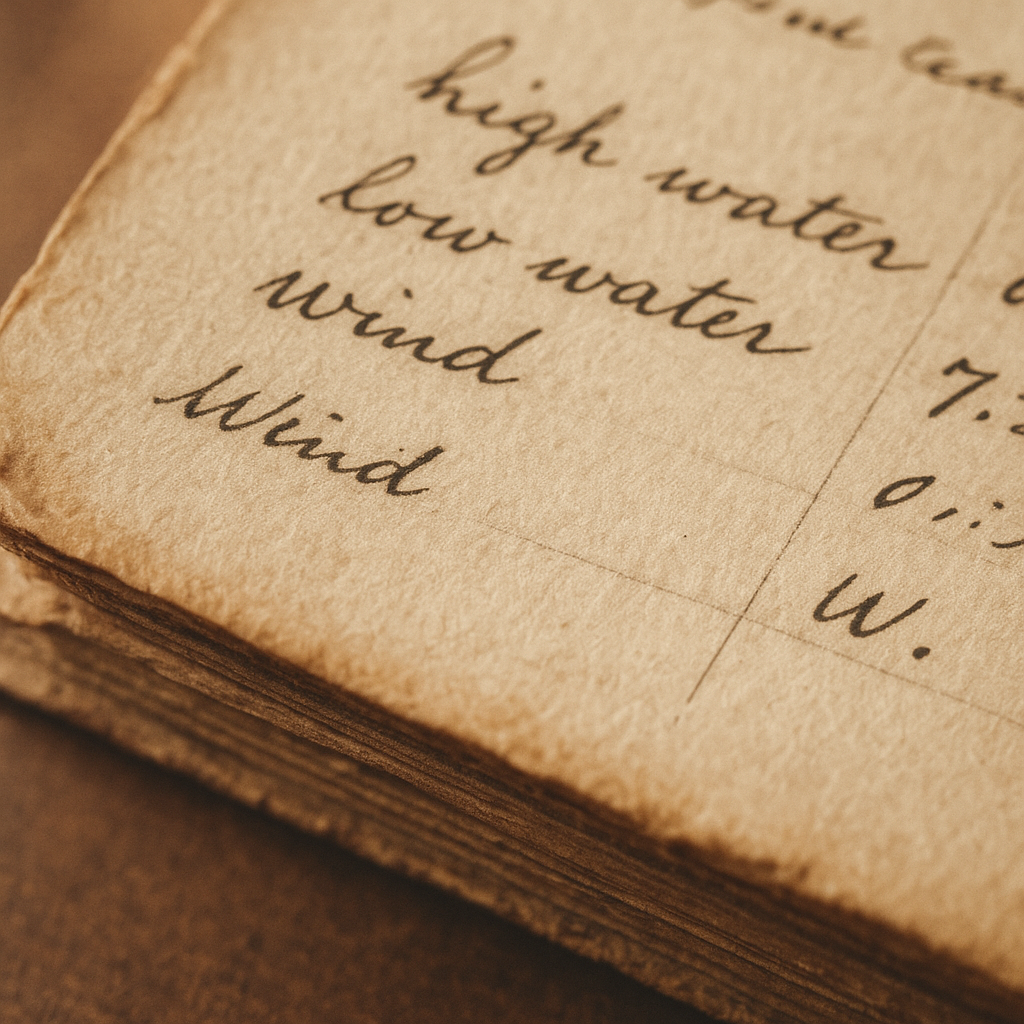
Close archival inset of a weathered lighthouse logbook corner with handwritten tide notes and aged paper texture

Keeper Stories

Voices from the lamp room and weather deck

Short excerpts from station books and recollections, tracing ordinary routines that kept the coastal lights steady through long seasons.

North Head Station · Winter Log, 1904

“By dusk the wind had salted every pane again, so I warmed the cloth by the stove and went back to polishing the lens. We kept the wick trimmed in turns, and by midnight the beam was cutting clean through sleet.”

Elias Morton · First Assistant Keeper, 1901–1908

Harbor Reef Light · Spring Notes, 1917

“The fog bell answered itself all morning, one long iron note after another. Between rounds I dried oilskins by the door and marked the tide board; by evening the cove was clear enough to count masts from the gallery.”

Mara Keane · Relief Keeper, 1915–1920

Stone Point Tower · Autumn Entry, 1893

“We hauled coal before first light and set the brass to shining before breakfast. When rain came sideways off the cape, the gallery boards sang underfoot, but the lamp held steady and the channel kept its line.”

Thomas Ivers · Senior Keeper, 1887–1896

Stories timeline

A coastal timeline of work, technology, and care

Five concise phases tracing how northern coast lighthouse life moved from expansion to preservation.

  1. 1840s-1860s

    Tower expansion along exposed headlands

    Stone and cast-iron towers multiplied at harbor mouths and shoals, creating a more continuous chain of night guidance for coastal traffic.

  2. 1870s-1900s

    Signaling methods become standardized

    Lens upgrades, fixed versus flashing signatures, and fog alarms reduced route ambiguity, letting mariners identify towers by pattern rather than distance alone.

  3. 1900s-1930s

    Keeper family life at station scale

    Logs and letters show households balancing lamp routines, weather watch, schooling, and supply cycles in remote compounds where work and home were inseparable.

  4. 1940s-1970s

    Automation and reduced residency

    Electrification and remote controls gradually replaced full-time keeper presence, shifting stations from inhabited workplaces to technical service sites.

  5. 1980s-present

    Preservation, documentation, and public memory

    Local groups and archives stabilized surviving towers, recorded keeper accounts, and reframed lighthouses as shared heritage landmarks rather than retired infrastructure.